
The Future of Jobs and Skills in the Age of Artificial Intelligence
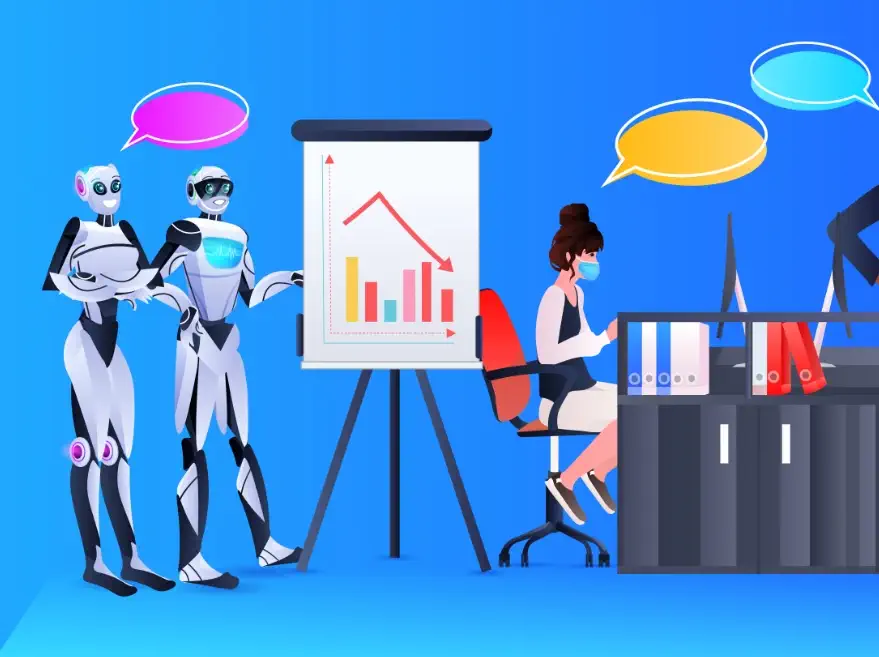
Introduction Artificial Intelligence (AI) is no longer a distant or emerging technology—it is already reshaping how we work, what skills are valued, and how economies function. From automated customer service and intelligent data analysis to AI-powered design and decision-making, the impact of AI on jobs and skills is profound and irreversible. Rather than simply eliminating jobs, AI is transforming them. Some roles are becoming obsolete, many are evolving, and entirely new careers are emerging. The future of work will belong to individuals, organizations, and nations that understand this shift and proactively invest in relevant skills. How Artificial Intelligence Is Changing the World of Work AI systems excel at tasks that involve pattern recognition, data processing, prediction, and automation. As a result, jobs that rely heavily on repetitive, rule-based activities are the most vulnerable to automation. Jobs Most Affected by AI However, automation does not necessarily mean job loss—it often means job transformation. Workers in these fields are increasingly required to supervise AI systems, interpret outputs, and focus on higher-value tasks. Jobs That Are Growing Because of AI AI is also creating demand for new roles and expanding existing ones, including: In addition, many traditional professions—such as healthcare, education, law, finance, and agriculture—are being augmented by AI tools rather than replaced by them. The Shift From Job Titles to Skills One of the most significant changes driven by AI is the shift from rigid job titles to flexible, skill-based work. Employers are increasingly prioritizing what individuals can do over where they studied or what qualifications they hold. This shift places continuous learning at the center of career success. Workers will need to reskill and upskill multiple times throughout their careers to remain relevant. Core Skills for the Future of Work The Impact of AI on Education and Training Education systems must evolve to keep pace with AI-driven change. Traditional models that focus on memorization and standardized testing are becoming less relevant. Future-ready education should emphasize: Short courses, bootcamps, and online learning platforms are playing a critical role in enabling fast and flexible skills acquisition. The African Context: Challenges and Opportunities For Africa, AI presents both risks and enormous opportunities. The continent has a young and rapidly growing population, making skills development an urgent priority. Key Opportunities Key Challenges By investing in digital skills, AI literacy, and innovation ecosystems, African countries can position themselves as creators—not just consumers—of AI technologies Preparing for the Future: What Individuals and Organizations Must Do For Individuals For Organizations For Governments and Institutions Conclusion The future of jobs will not be defined by AI alone, but by how humans choose to adapt, learn, and collaborate with intelligent technologies. AI is a powerful tool—one that can increase productivity, create new opportunities, and improve quality of life. Those who invest in future-ready skills today will be best positioned to thrive in tomorrow’s job market. In the age of artificial intelligence, the most valuable skill of all is the ability to learn, unlearn, and relearn.