
Robotics and the Future: Transforming Africa Through Innovation and Education
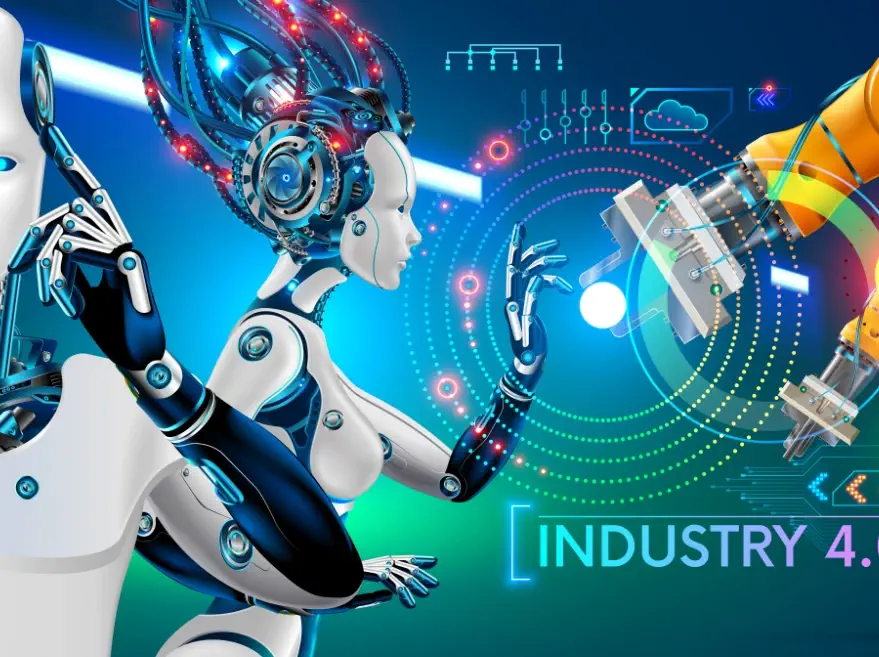
Introduction Robotics is no longer a concept reserved for science fiction or highly industrialized nations. It is rapidly becoming a powerful force shaping economies, education systems, and everyday life across the globe. In Africa, robotics presents a unique opportunity—not only to accelerate development but also to solve local challenges using locally developed solutions. From agriculture and healthcare to education and industry, robotics is influencing how Africa prepares for the future. How Robotics Is Shaping the Future Robotics refers to the design, construction, and use of machines that can perform tasks automatically or semi-automatically. As robotics technology advances, it is increasingly integrated with Artificial Intelligence (AI), Internet of Things (IoT), and data analytics. Globally, robots are improving productivity, reducing human exposure to dangerous work, and increasing efficiency in manufacturing, logistics, healthcare, and services. In the future, robots will not replace humans entirely but will work alongside them—augmenting human capabilities and creating new types of jobs that require technical, creative, and problem-solving skills. For Africa, this future is especially important. With a young and fast-growing population, the continent must prepare its workforce for technology-driven economies. Robotics offers a pathway to leapfrog traditional development stages and participate competitively in the global digital economy. Robotics in the African Context Africa faces unique challenges such as food insecurity, limited access to healthcare, infrastructure gaps, and unemployment. Robotics can play a critical role in addressing these challenges: Countries such as South Africa, Kenya, Nigeria, Rwanda, and Ghana are already investing in robotics labs, innovation hubs, and STEM programs, signaling a growing commitment to future-ready skills. The Role of Robotics in Education Education is the foundation for Africa’s robotics future. Introducing robotics in schools helps learners move beyond theory into hands-on, practical learning. Key Benefits of Robotics Education Robotics education does not require expensive equipment. With affordable kits, open-source platforms, and community-based training programs, schools and learning centers across Africa can introduce robotics even in resource-limited environments. Robotics, Youth, and the African Future Africa’s greatest asset is its youth. By equipping young people with robotics and digital skills, the continent can nurture innovators, engineers, and entrepreneurs who build solutions for African problems. Robotics clubs, coding bootcamps, maker spaces, and AI & robotics academies are already empowering young Africans to compete globally. With the right investment, policy support, and public-private partnerships, robotics can become a major driver of economic growth and social development. Conclusion Robotics is not just about machines—it is about shaping the future of work, education, and innovation. In the African context, robotics offers a powerful opportunity to bridge skills gaps, solve local challenges, and position the continent as a creator of technology rather than just a consumer. By investing in robotics education today, Africa is investing in a smarter, more inclusive, and more resilient future.